
Fine fescue is a useful option for Massachusetts homeowners who want a lawn that performs well in shaded areas without requiring constant maintenance. Its narrow blades, soft texture, and relatively low fertilizer needs make it appealing for properties with mature trees, limited irrigation, or areas where other cool-season grasses struggle.
However, fine fescue still needs the right growing conditions and seasonal care. Knowing when to water, mow, fertilize, and address common lawn problems can help you maintain a healthy stand of fine fescue.
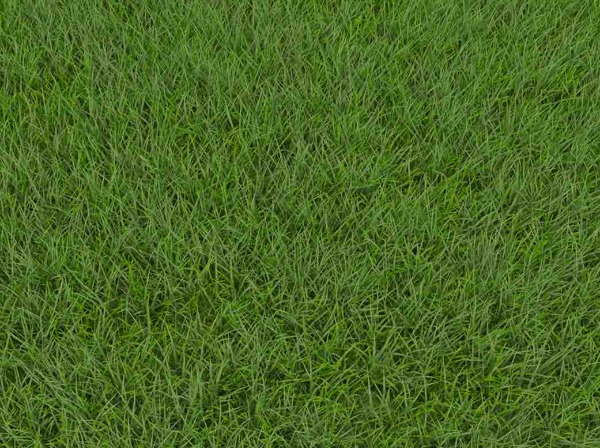
Fine fescue has a distinct appearance that separates it from other common cool-season grasses. Its delicate blades create a soft, dense look when properly maintained.
Here are a few characteristics to look for:
Fine fescue generally requires less supplemental irrigation than many other lawn grasses once established. Its ability to tolerate moderate drought makes it a practical choice for homeowners who want to reduce watering, but that does not mean it can thrive indefinitely without moisture.
In Massachusetts, spring and fall rainfall may provide much of the water an established lawn needs. Summer is more challenging, particularly during extended periods of heat and limited precipitation.
For better watering results:
One of the advantages of fine fescue is its relatively modest fertilizer requirement. Applying too much nitrogen can create unnecessary mowing, encourage thatch buildup, and make the grass more vulnerable to certain diseases during humid weather.
A soil test should guide your fertilization plan. In many cases, fine fescue needs less nitrogen than Kentucky bluegrass or perennial ryegrass. Fall is generally the most useful season for supporting root development and preparing the lawn for winter.
Avoid heavy nitrogen applications during summer, when heat and humidity can place additional stress on the grass. If your lawn is already growing well, additional fertilizer may not be necessary.
Fine fescue does not need to be cut as frequently as faster-growing turf varieties. Keeping it at an appropriate height helps protect the soil, support root health, and reduce competition from weeds.
A mowing height of approximately 2.5 to 3.5 inches is a good general range for many fine fescue lawns. Shaded areas may benefit from being maintained toward the taller end of that range. Avoid cutting the grass too short, especially during summer, because this reduces the leaf area available to support the plant.
Follow these mowing practices:
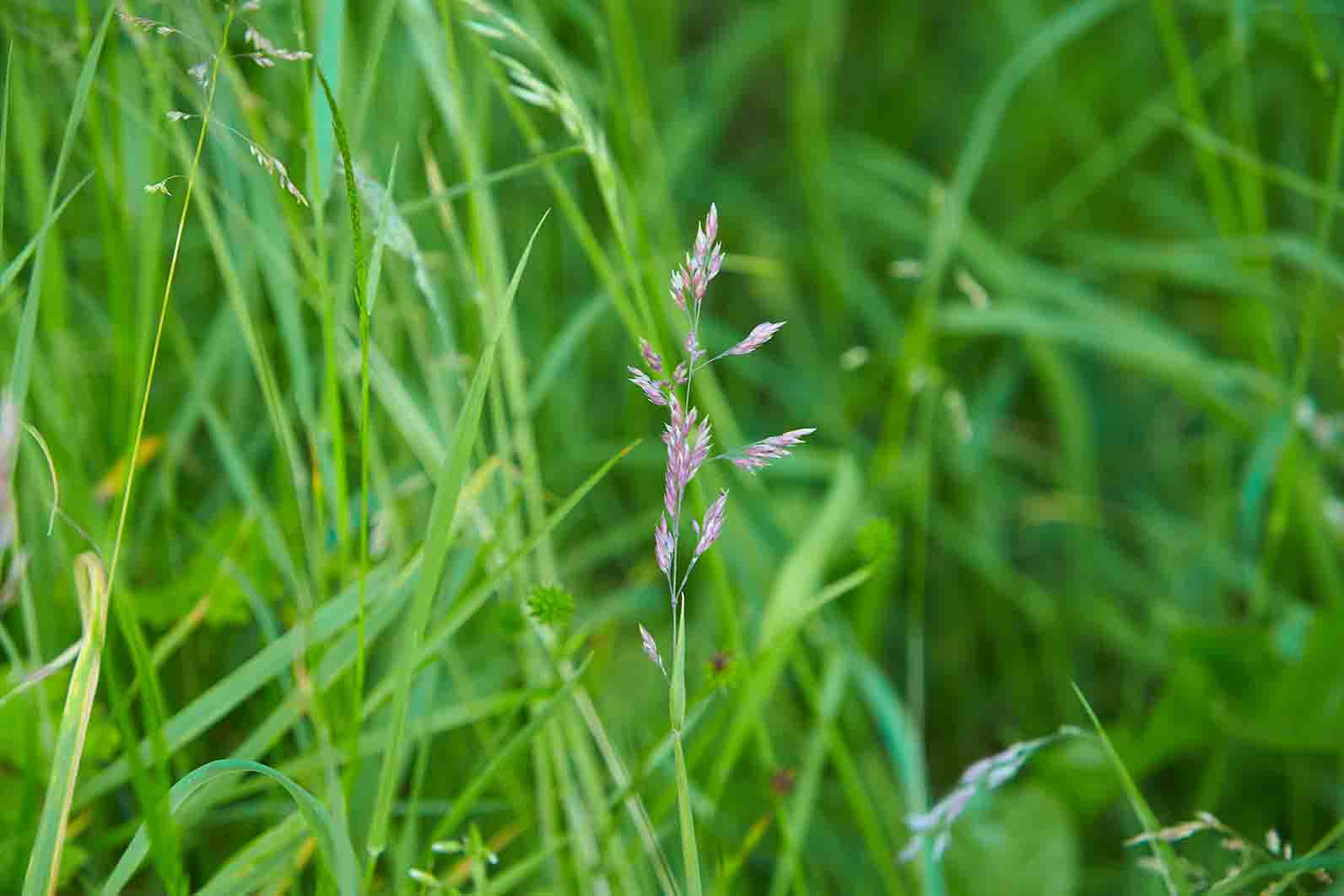
Not all fine fescues grow in exactly the same way. Some are better suited to shaded lawns, while others offer improved tolerance to dry conditions or less fertile soil. Understanding the differences can help you select a seed blend that matches your property's conditions.
Several varieties worth considering in Massachusetts include:
Fine fescue is not immune to lawn pests or fungal diseases. Massachusetts summers can create favorable conditions for several turf problems, particularly when warm temperatures combine with high humidity and excess moisture.
Common concerns include:
Fine fescue offers several advantages for Massachusetts homeowners, especially those dealing with shaded properties or looking for a lower-maintenance lawn. However, its performance still depends on choosing an appropriate variety and adjusting maintenance practices to the changing seasons.
A thoughtful approach to mowing, watering, fertilization, and weed management can help your fine fescue lawn remain healthy without unnecessary inputs. If you're unsure what your lawn needs, professional lawn care can help identify problems and develop a maintenance plan suited to your grass and growing conditions.
Q: Is Fine Fescue a Good Choice for Massachusetts Lawns?
A: Yes. Fine fescue is a cool-season grass that can handle Massachusetts winters and performs especially well in shaded areas. It is also a good option for homeowners seeking a lawn with relatively low fertilizer and irrigation needs.
Q: When Should I Plant Fine Fescue in Massachusetts?
A: Late summer through early fall is generally the best time to seed fine fescue. Cooler temperatures and more consistent moisture help the grass establish before winter.
Q: Does Fine Fescue Grow Well in Shade?
A: Fine fescue is among the most shade-tolerant cool-season grass groups. It can perform well beneath trees and in areas with limited direct sunlight, although even shade-tolerant varieties need some light to grow.
Q: How Often Should I Water Fine Fescue?
A: Established fine fescue generally needs deep, occasional watering when rainfall is insufficient. Newly seeded areas require more frequent moisture until the grass becomes established.
Q: How Short Should I Mow Fine Fescue?
A: Most fine fescue lawns do well at approximately 2.5 to 3.5 inches. Keeping the grass relatively tall helps protect it from heat stress and reduces opportunities for weeds to establish.
Q: What Is the Best Type of Fine Fescue for Massachusetts?
A: Creeping red fescue and chewings fescue are useful choices for many shaded lawns, while hard fescue is well suited to drier, lower-maintenance areas. A blend may provide the best overall performance across different parts of a property.
Let Essential Landscapes transform your property today with the best lawn care and landscaping services in North Reading, MA!