.png)
Massachusetts experiences cold winters, wet springs, warm summers, and changing fall conditions. Kentucky bluegrass is well suited to much of this climate because it grows best in cooler weather and can tolerate Massachusetts winters.
However, Kentucky bluegrass needs consistent attention to watering, mowing, and seasonal fertilization. Summer heat and dry spells can stress the grass, while shaded yards may struggle to support thick growth. Knowing these needs will help you maintain a healthier lawn throughout the Massachusetts growing season.
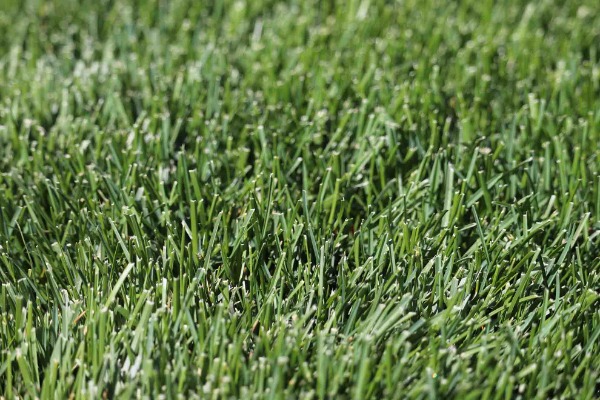
Kentucky bluegrass has a medium-fine texture and typically develops a deep green to blue-green color. Its leaf tips have a distinctive boat-like shape, and its underground rhizomes allow it to spread beyond individual plants.
This grass performs best in sunny areas with reasonably well-drained soil. It can tolerate some light shade, but dense tree cover may leave it thin or patchy.
Kentucky bluegrass is generally known for:
The most favorable time to establish Kentucky bluegrass from seed is generally late summer through early fall. In Massachusetts, aim for a window that gives seedlings time to develop before winter, often from late August into September. Local weather and conditions can shift the ideal timing.
Fall seeding takes advantage of warm soil and cooler air, while spring planting is possible but may expose young grass to increasing weed pressure and summer heat before it fully matures. Kentucky bluegrass can take two to three weeks or longer to germinate, depending on conditions. Avoid heavy foot traffic until the new grass is well established. Before planting, prepare the area carefully:

As Kentucky bluegrass resumes growing, focus on mowing, weed prevention, and assessing winter damage.
Massachusetts summers can stress Kentucky bluegrass, causing browning or temporary dormancy. Kentucky bluegrass can recover from temporary dormancy when conditions improve, but prolonged drought may cause lasting damage.
Fall is an ideal time to help Kentucky bluegrass recover from summer stress and prepare for winter.
Kentucky bluegrass grows slowly during Massachusetts winters, so focus on preventing damage. Good fall maintenance helps the lawn withstand winter and resume growth in spring.
Kentucky bluegrass can produce a thick, resilient lawn across much of Massachusetts, but it benefits from a consistent care plan. Focus on fall fertilization and overseeding, maintain suitable mowing heights, and adjust watering when summer conditions become dry.
Pay attention to the lawn's specific needs instead of following a rigid schedule. Soil testing, proper drainage, and timely repairs can make a meaningful difference in how well the grass performs through New England's changing seasons.
Q: When should I seed Kentucky bluegrass in Massachusetts?
A: Late summer through early fall is generally the best time, often from late August into September. This gives seedlings time to establish before winter, although local weather can affect the ideal window.
Q: How often should I water Kentucky bluegrass?
A: Aim for approximately 1 inch of total water per week, including rainfall, as a general guideline. Adjust based on weather, soil conditions, and signs of drought stress.
Q: What is the best mowing height for Kentucky bluegrass?
A: A height of about 2.5 to 3.5 inches works well for many lawns. Keeping the grass a little taller during hot weather can help protect it from additional stress.
Q: Should I fertilize Kentucky bluegrass in the fall?
A: Yes. Fall is generally the most important fertilization season for Kentucky bluegrass in Massachusetts. Use soil test results and appropriate application rates to determine your lawn's needs.
Q: Can Kentucky bluegrass survive Massachusetts winters?
A: Yes. Kentucky bluegrass has good cold tolerance and is well suited to New England winters. Proper fall maintenance helps it enter dormancy in good condition.
Q: Why is my Kentucky bluegrass turning brown in summer?
A: Heat and drought are common causes, and the grass may enter temporary dormancy to conserve moisture. Water appropriately when conditions allow, avoid close mowing, and assess whether the lawn recovers as cooler, wetter weather returns.
Let Essential Landscapes transform your property today with the best lawn care and landscaping services in North Reading, MA!