.png)
Tall fescue is a popular choice for Massachusetts lawns because it handles a range of growing conditions and generally tolerates summer heat better than some other cool-season grasses. Its deep root system helps it access moisture below the soil surface, making it a practical option for homeowners who want a lawn that can withstand changing weather.
Even with these advantages, tall fescue needs consistent care to stay thick and healthy. The right mowing height, watering routine, and seasonal maintenance can help prevent bare spots and reduce common lawn problems.
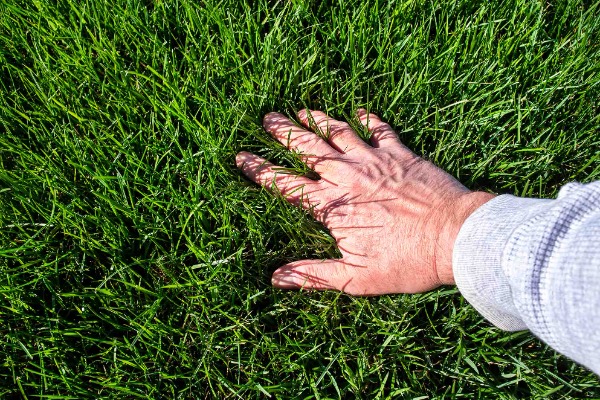
Massachusetts experiences cold winters, humid summers, and plenty of seasonal temperature changes. Tall fescue is suited to this climate because it grows well during the cooler parts of spring and fall while offering better heat and drought tolerance than many other cool-season turfgrasses.
Its coarse blades and bunch-forming growth habit also make it useful for residential lawns. Unlike Kentucky bluegrass, tall fescue does not spread aggressively through underground rhizomes. This means damaged or thin areas may need overseeding rather than relying on the surrounding grass to fill them in.
Tall fescue can be especially useful for lawns with moderate foot traffic, partial shade, or areas that experience periodic dry conditions. However, results depend on the variety, soil quality, drainage, and amount of sunlight the lawn receives.
A healthy tall fescue lawn begins with suitable soil and good seed-to-soil contact. If you are planting a new lawn or repairing thin areas, early fall is generally one of the best times to get started in Massachusetts. Cooler temperatures and more reliable rainfall can help seedlings establish before winter.
Before seeding, remove weeds and debris, loosen compacted soil where needed, and correct major grading or drainage problems. A soil test can reveal whether the lawn needs lime or specific nutrients.
For successful establishment:
Tall fescue performs best when it is kept taller than many traditional lawn grasses. A mowing height of around 3 to 4 inches is a useful target for most established lawns. Taller blades help shade the soil, limit some weed growth, and support deeper rooting.
Avoid removing too much grass at once. Cutting off more than one-third of the blade height can stress the turf and leave it more vulnerable to discoloration and thinning. If the lawn has grown too tall between visits, lower the height gradually over multiple mowings.
A few habits can make a noticeable difference:
Many tall fescue lawns need approximately 1 inch of water per week, including rainfall, during active growth. Actual requirements vary with temperatures, soil type, sunlight, and drainage. Sandy soil may dry out more quickly, while poorly drained soil can remain wet for too long.
Water early in the morning when possible to reduce evaporation and allow the grass to dry during the day. If tall fescue becomes dormant during a dry spell, reduce unnecessary traffic and avoid excessive fertilization until growing conditions improve.
Fertilizer needs should be based on soil conditions and the lawn's growth. Fall is often a productive time to fertilize tall fescue in Massachusetts because the grass can use nutrients as it develops roots and recovers from summer stress. Avoid applying more fertilizer than recommended, and follow product directions carefully.
Thin or bare patches: Because tall fescue grows in bunches, it may not naturally spread into damaged areas. Overseeding is often necessary to restore coverage.
Brown areas during summer: Heat, drought, uneven irrigation, and disease can all cause discoloration. Check soil moisture and inspect the affected area before deciding how to treat it.
Weeds invading the lawn: Thin turf leaves open space for weeds to establish. Maintaining suitable mowing height, addressing soil issues, and overseeding when appropriate can help limit opportunities for weeds.
Disease concerns: Humid conditions and prolonged leaf wetness can contribute to turf diseases. Avoid excessive watering late in the day and improve airflow where practical. If symptoms continue, identify the problem before applying a treatment.
Compacted soil: Heavy use can restrict water movement and root development. Aeration may help relieve compaction when performed under suitable conditions.
Tall fescue can be a reliable choice for Massachusetts homeowners who want a lawn that handles changing temperatures and periodic dry weather. Its success depends on matching care to local conditions rather than following the same routine throughout the year.
Maintain a suitable mowing height, water according to weather and soil needs, and use fall as an opportunity to repair thin areas. With consistent attention, tall fescue can develop a dense, resilient lawn that looks good through much of the growing season.
Q: Is tall fescue a good grass for Massachusetts?
A: Yes. Tall fescue is a cool-season grass that can handle Massachusetts winters and offers useful tolerance to summer heat and drought when properly established.
Q: When is the best time to plant tall fescue in Massachusetts?
A: Early fall is generally ideal because cooler temperatures and seasonal rainfall support germination and root development before winter.
Q: How short should I mow tall fescue?
A: Most established tall fescue lawns do well at approximately 3 to 4 inches. Avoid cutting off more than one-third of the blade height at a time.
Q: How often should I water tall fescue?
A: Watering needs depend on rainfall, temperature, soil, and sun exposure. During active growth, many lawns need about 1 inch of water per week, including rainfall.
Q: Does tall fescue spread to fill bare spots?
A: Tall fescue grows in bunches and does not spread aggressively through underground stems. Overseeding is usually the best way to repair thin or bare areas.
Q: Why is my tall fescue turning brown in summer?
A: Brown grass may be responding to heat or drought, but irrigation problems, disease, and other stressors can cause similar symptoms. Check moisture levels and look for other signs of damage before choosing a treatment.
Let Essential Landscapes transform your property today with the best lawn care and landscaping services in North Reading, MA!