.png)
Taking care of a lawn in Massachusetts means working with a wide range of seasonal conditions, from cold winters and wet springs to humid stretches and cool autumns. Cool-season grasses dominate our region, and they require a thoughtful and well-timed approach to maintenance.
Many common lawn issues in Massachusetts come from using the wrong strategies at the wrong time. If you want consistent results, it’s important to understand where homeowners often go wrong and how to correct those habits. Keep reading for more, and be sure to check out our lawn care services for even more help!
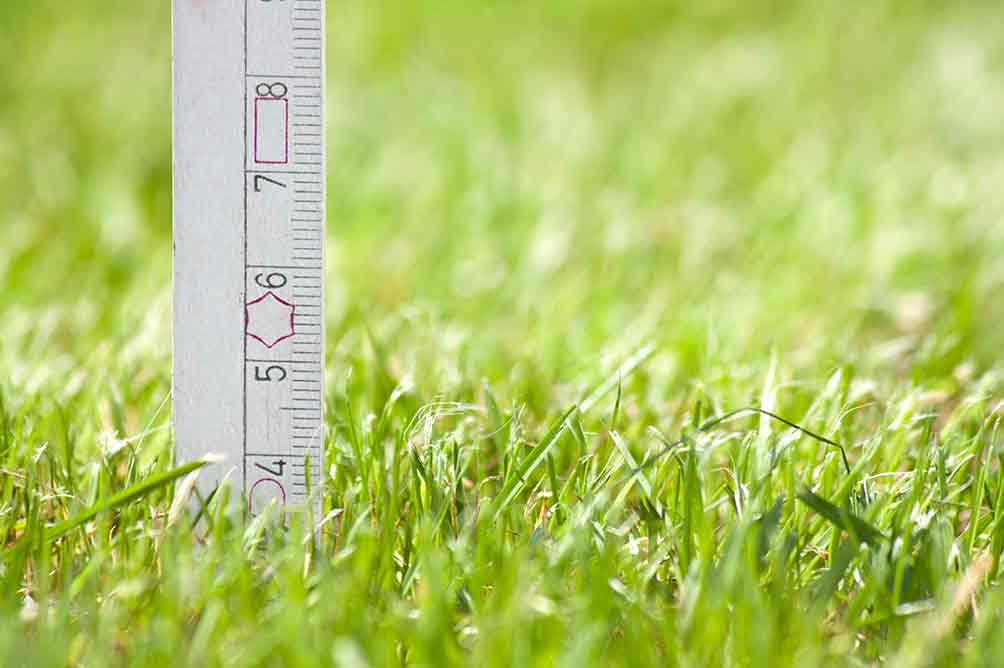
Many homeowners mow their lawns too short in an attempt to reduce how often they need to mow. Unfortunately, this practice can weaken grass significantly. Cool-season grasses in Massachusetts rely on longer blades to photosynthesize efficiently and maintain healthy root systems.
Cutting too low stresses the lawn, exposes soil to sunlight, and increases the likelihood of weeds taking hold. Over time, this leads to a thinner, less resilient turf.
Avoiding The Mistake:
It’s easy to assume that frequent watering keeps a lawn green and healthy, but in Massachusetts, this approach often backfires. Shallow, frequent watering encourages grass roots to stay close to the surface, making the lawn more vulnerable to drought, heat stress, and disease.
Excess moisture, especially in humid conditions, creates the perfect environment for fungal issues like brown patch or dollar spot. A more strategic watering routine helps build deeper roots and a more resilient lawn overall.
Avoiding The Mistake:
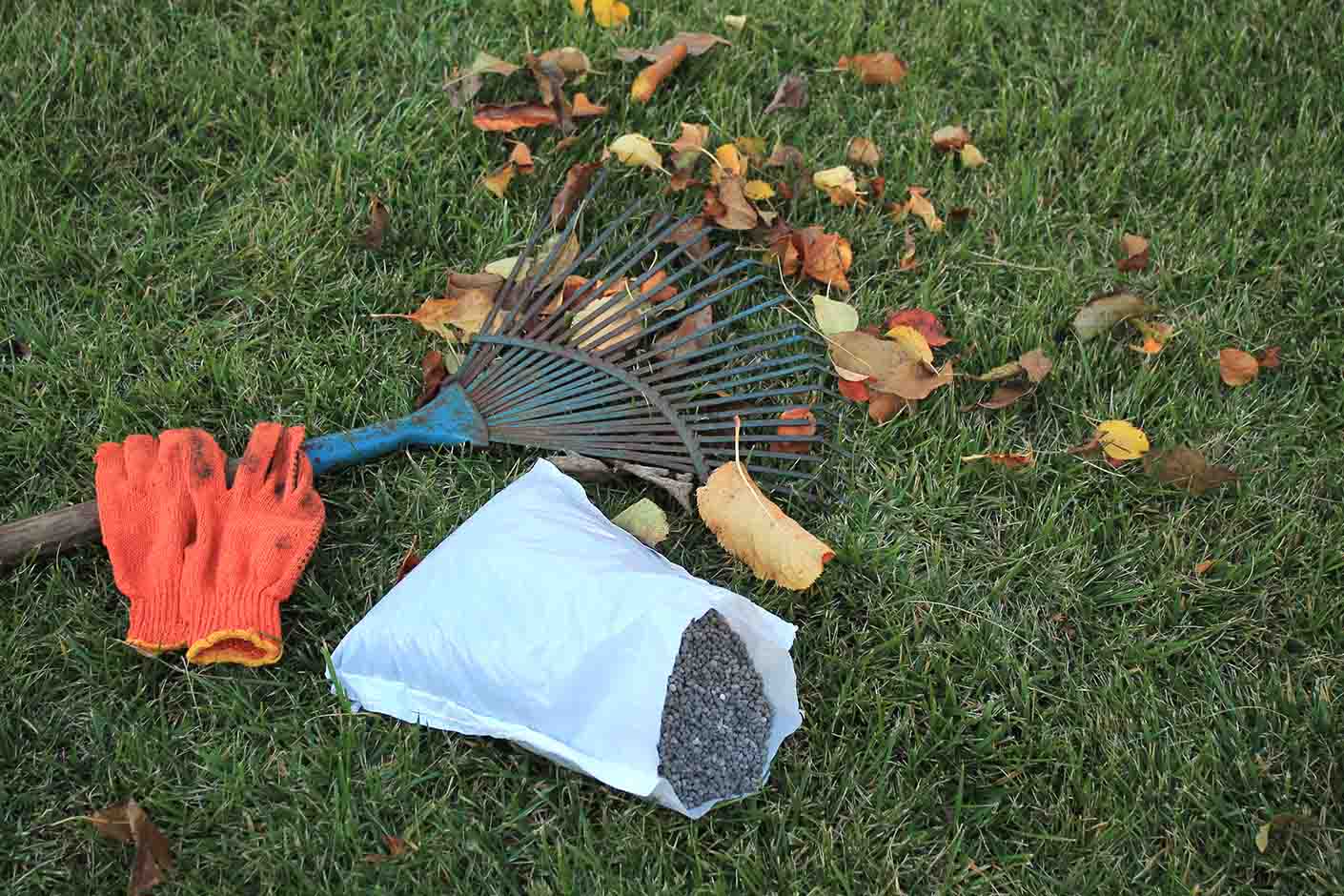
Fertilization is essential for maintaining a healthy lawn, but timing matters. In Massachusetts, cool-season grasses grow most actively in the spring and fall, not during periods of stress.
Applying fertilizer at the wrong time, especially during slower growth periods, can lead to wasted nutrients, excessive top growth, or even lawn burn. A poorly timed fertilization schedule can also throw off the natural growth cycle of your turf.
Avoiding The Mistake:
Weeds are opportunistic and will quickly take over if a lawn is thin or stressed. In Massachusetts, common weeds like crabgrass, dandelions, and clover can spread rapidly when not addressed early.
Many homeowners wait until weeds are visible and widespread before taking action, which makes control more difficult. Effective weed management requires both prevention and timely treatment.
Avoiding The Mistake:
Not all grass types are suited for Massachusetts conditions, yet some homeowners unknowingly plant varieties that struggle in the region. Warm-season grasses, for example, don’t perform well in New England’s cooler climate and shorter growing season.
Even within cool-season varieties, some types are better suited for shade, drought tolerance, or heavy foot traffic. Choosing the wrong grass can lead to patchy growth, increased maintenance, and ongoing frustration.
Avoiding The Mistake:
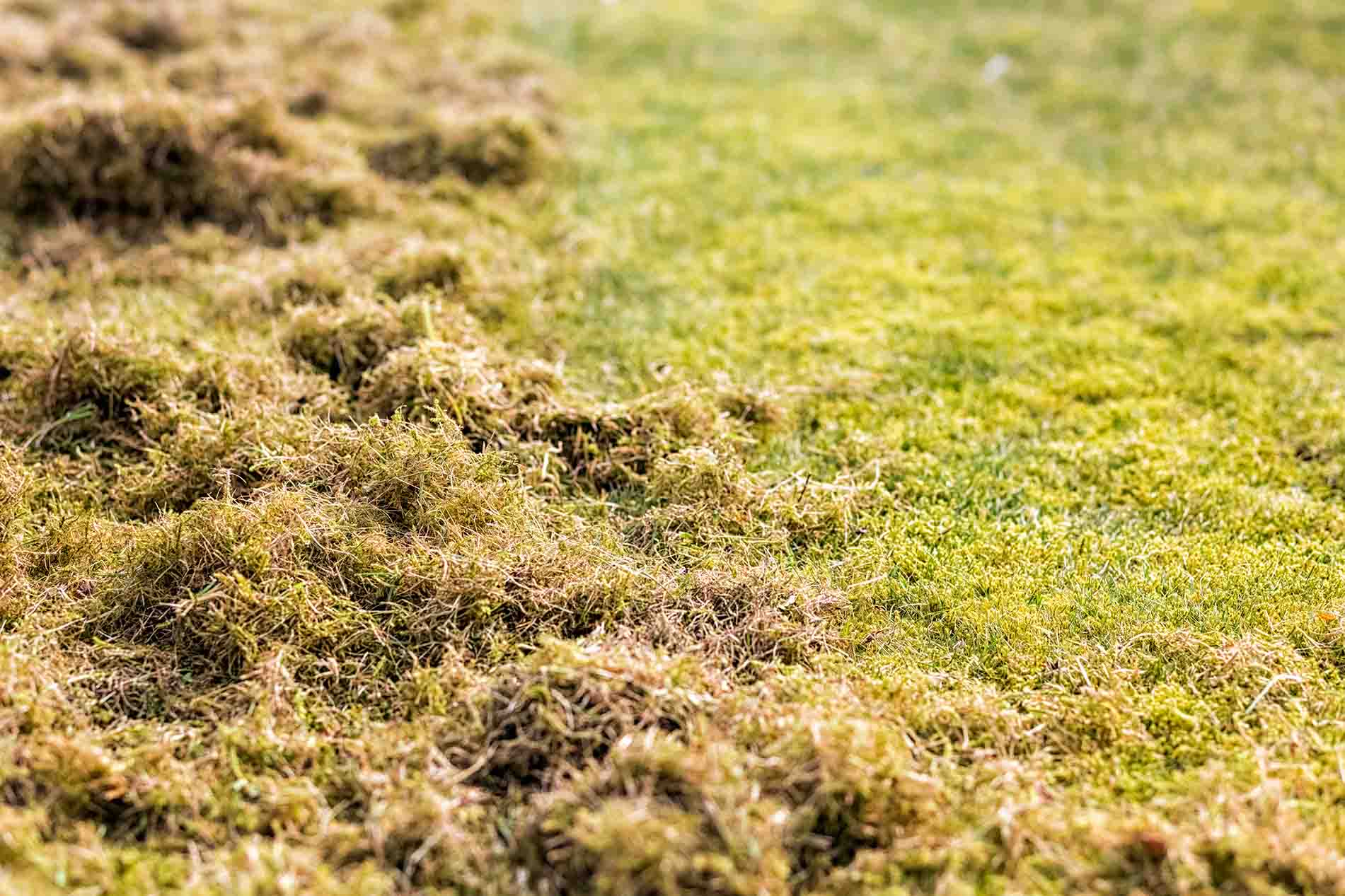
Thatch is a layer of dead grass and organic material that accumulates between the soil and the living turf. While a small amount is normal, excessive thatch can block water, nutrients, and air from reaching the roots.
Here in Massachusetts, where lawns often grow vigorously during peak seasons, thatch can build up faster than expected. Ignoring it can lead to poor lawn health and increased pest or disease issues.
Avoiding The Mistake:
Massachusetts lawns go through significant seasonal changes, and care routines should evolve accordingly. Many homeowners stick to the same mowing, watering, and fertilization habits year-round, which can lead to problems as conditions shift.
For example, what works in spring may not be effective in late fall or during periods of slower growth. Adapting your lawn care approach throughout the year is key to long-term success.
Avoiding The Mistake:
Lawn care tools play a bigger role than many homeowners realize. Mower blades that are dull or coated with debris can tear grass instead of cutting it cleanly, leaving the lawn looking ragged and more susceptible to disease.
Poorly maintained equipment can also spread weeds or pathogens across your yard. Keeping your tools in good condition is a simple step that makes a noticeable difference in lawn health.
Avoiding The Mistake:
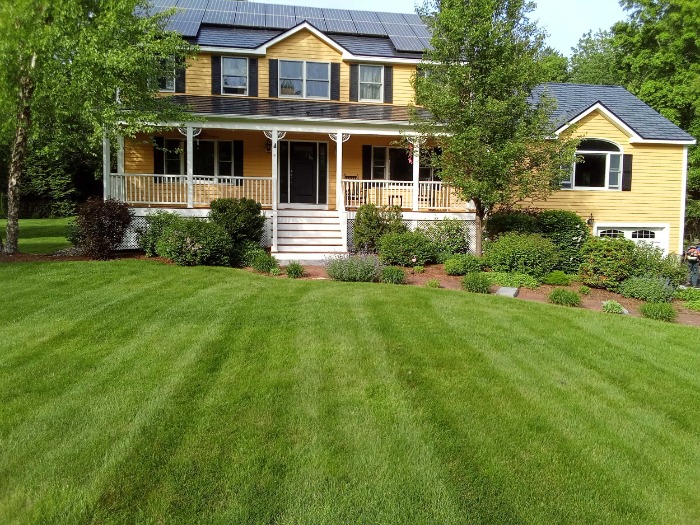
A healthy lawn in Massachusetts is the result of consistent and thorough care. If you avoid these common mistakes and make thoughtful adjustments throughout the year, you can maintain a lawn that stays healthy and green. For more help with your lawn care needs, call Essential Landscapes today for the best lawn care in North Reading!
Let Essential Landscapes transform your property today with the best lawn care and landscaping services in North Reading, MA!