.png)
Fertilizing your lawn is one of the most effective ways to encourage healthy grass growth. However, applying fertilizer is only part of the process. Proper watering plays a major role in how well those nutrients move into the soil and become available to your grass. Many homeowners wonder whether they should water before fertilizing, after fertilizing, or both.
The answer depends largely on the type of fertilizer being used, current soil conditions, and weather patterns. In most situations, watering both before and after lawn fertilization can help maximize results while reducing the risk of nutrient loss or lawn damage.
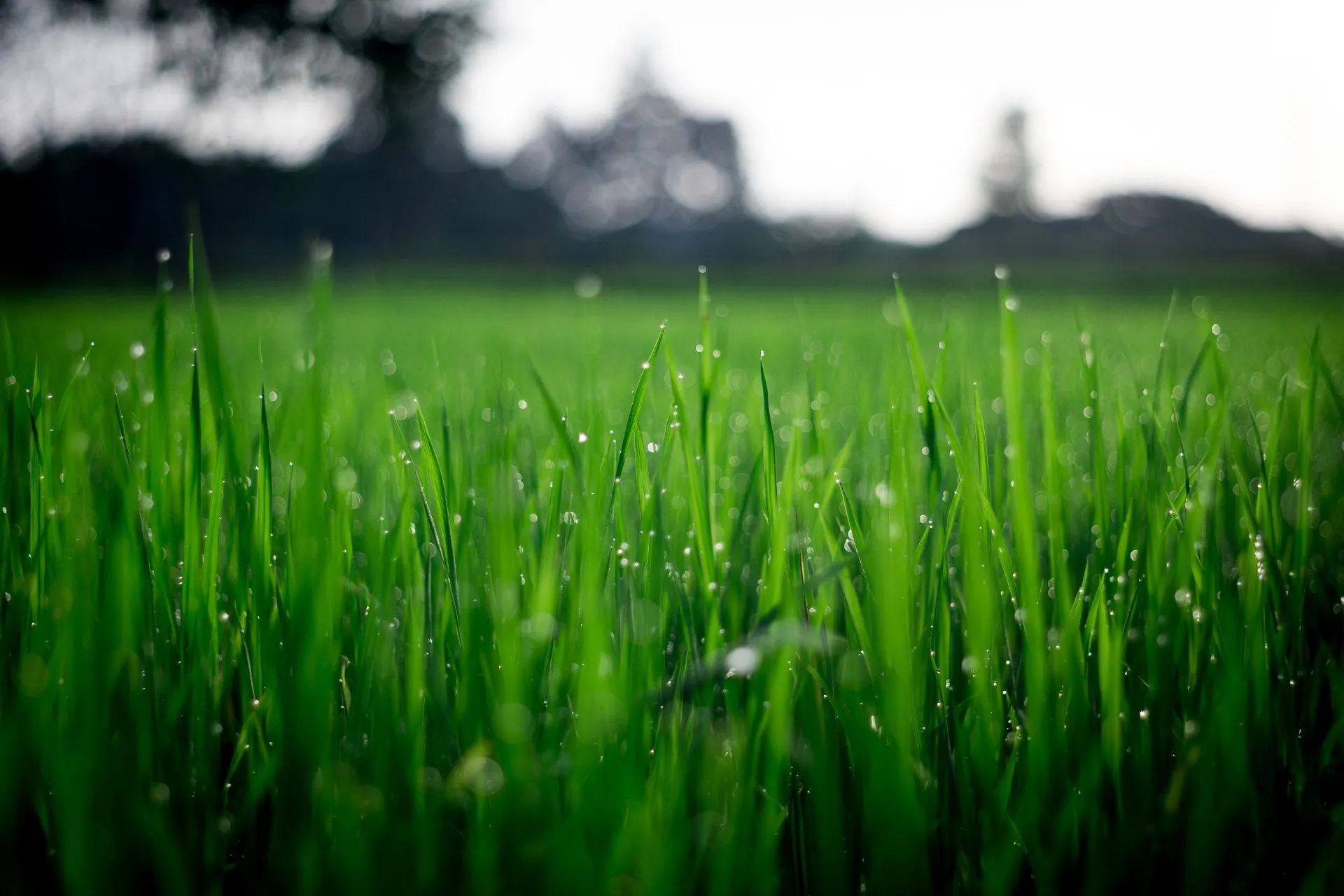
If your lawn is dry or experiencing drought stress, watering before fertilization is often recommended. Moist soil allows nutrients to move more effectively into the root zone and helps prevent fertilizer granules from sitting on dry grass blades.
A lightly watered lawn is typically more receptive to fertilizer applications than one that is extremely dry or compacted. Pre-watering can provide several benefits:
In many cases, watering after fertilizer application is even more important than watering beforehand. Most granular fertilizers need moisture to dissolve and move into the soil where grass roots can access the nutrients.
Without adequate watering, fertilizer may remain on the surface and provide limited benefits. In some situations, nutrients can also be lost through wind, foot traffic, or runoff before they have a chance to reach the root system.
For many products, a light irrigation immediately following application is all that is needed. Watering after fertilization helps:
The best watering schedule depends on the fertilizer being applied. Different products are designed to work in different ways. Always review the fertilizer label for specific instructions regarding irrigation requirements.
Granular fertilizers generally require watering after application. Moisture helps break down the granules and carry nutrients into the soil. Most manufacturers recommend applying approximately one-quarter to one-half inch of water after spreading the product.
Liquid fertilizers are absorbed more quickly and may not require immediate irrigation. In some cases, lawn care professionals prefer allowing the product to remain on the grass blades for several hours before watering.
Slow-release products gradually feed the lawn over time. While they still require moisture for activation, they are often less sensitive to precise watering timing than quick-release fertilizers.
Even when fertilizer is applied correctly, improper watering can limit its effectiveness. Homeowners frequently make mistakes that reduce nutrient availability or waste fertilizer altogether.
Avoiding these mistakes can help ensure your fertilizer investment delivers the results you're expecting. Some of the most common issues include:
Many homeowners try to use rainfall to water fertilizer into the soil. This can work well when light rain is expected shortly after application. However, timing is important.
A gentle rain can help activate fertilizer naturally, while a heavy downpour may wash nutrients away before they have a chance to soak into the root zone. Excessive rainfall can also contribute to nutrient runoff into nearby streets, storm drains, and waterways.
If significant rainfall is forecasted, it may be better to postpone fertilization until conditions improve.
When fertilizer and watering are properly coordinated, most lawns begin showing noticeable improvements within a few weeks. Consistent watering practices throughout the growing season will help maintain these benefits long after the fertilizer application.
You may observe:
For most lawns, the best approach is to lightly water dry soil before fertilization if needed and then water again after applying granular fertilizer. This combination helps create ideal conditions for nutrient absorption while minimizing the risk of fertilizer burn or nutrient loss.
Because every lawn is different, factors such as grass type, soil conditions, weather, and fertilizer formulation should all be considered when developing a fertilization plan. Following label instructions and maintaining proper irrigation practices will help your lawn get the maximum benefit from every fertilizer application.
Q: Should I water immediately after fertilizing?
A: For most granular fertilizers, yes. Watering shortly after application helps dissolve the granules and move nutrients into the soil.
Q: Can I fertilize a dry lawn?
A: It's generally better to apply fertilizer to slightly moist soil. Extremely dry lawns may experience additional stress when fertilized.
Q: How much water should I apply after fertilization?
A: Most lawns benefit from approximately one-quarter to one-half inch of water after a granular fertilizer application, though product instructions may vary.
Q: Can rain replace watering after fertilization?
A: Light rainfall can often activate fertilizer effectively. Heavy rain, however, may cause nutrient runoff and reduce fertilizer performance.
Q: Should I water before applying liquid fertilizer?
A: Not necessarily. Many liquid fertilizers are applied to dry grass and may require a waiting period before irrigation. Always follow label recommendations.
Q: What happens if I don't water after fertilizing?
A: Granular fertilizer may remain on the soil surface, delaying nutrient absorption and potentially increasing the risk of lawn burn or wasted product.
Let Essential Landscapes transform your property today with the best lawn care and landscaping services in North Reading, MA!