.png)
Mulch is one of the most valuable materials you can add to your landscape beds. Beyond improving curb appeal, it helps conserve moisture, regulate soil temperatures, suppress weeds, and protect plant roots from environmental stress.
The climate in Massachusetts presents unique challenges throughout the year, from freezing winter temperatures to humid summers and unpredictable spring weather. Installing mulch at the right time (usually spring) allows you to maximize its benefits while helping your landscape thrive through every season.
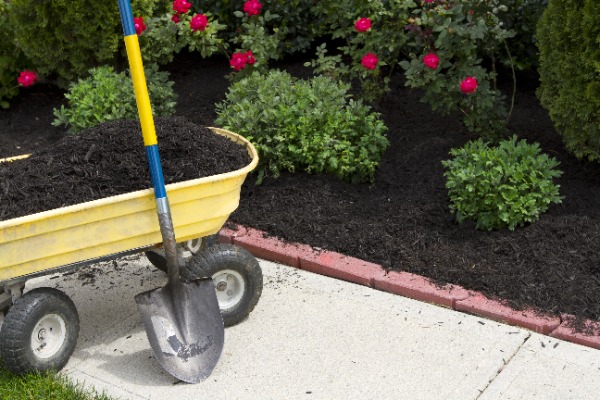
Spring mulch provides an immediate layer of protection that helps retain moisture as temperatures warm up. This is especially valuable because spring weather in Massachusetts can fluctuate significantly, with periods of rain followed by stretches of dry conditions. A properly installed mulch layer helps keep soil moisture levels more consistent, reducing stress on plants.
Spring installation also allows landscapers to remove winter debris before applying fresh mulch. Fallen branches, leaves, and dead plant material can be cleared away, giving landscape beds a clean and refreshed appearance.
Additional benefits of spring mulching include:
While spring remains the preferred season, summer mulch installation can still provide significant benefits when done properly. In fact, many Massachusetts property owners add fresh mulch during summer if they missed their spring maintenance window.
Summer heat can place considerable stress on lawns, flowers, shrubs, and ornamental trees. A fresh layer of mulch helps insulate the soil from extreme temperatures while slowing evaporation. This can be especially important during periods of drought or watering restrictions.
However, timing matters during the summer months. Applying mulch during an intense heat wave can make landscape work more difficult and may temporarily increase stress on recently planted flowers or shrubs. Early summer or periods of moderate weather are often better opportunities for installation.
Although spring receives most of the attention, fall can be another excellent time to install mulch in Massachusetts. As temperatures begin to cool and plant growth slows, mulch becomes a valuable tool for protecting root systems throughout the winter months.
Massachusetts winters often bring cycles of freezing and thawing. These temperature fluctuations can cause soil movement that places stress on roots, particularly for young trees, shrubs, and recently installed landscape plants. Mulch acts as an insulating barrier that helps moderate soil temperatures and reduce sudden fluctuations.
Fall mulching is particularly beneficial for:
Winter is generally the least favorable season for mulch installation in Massachusetts. Frozen ground, snow cover, and cold temperatures can make proper application difficult and less effective.
When soil is frozen, mulch cannot integrate naturally with the landscape. It may shift during winter storms or become uneven as snow accumulates and melts. Additionally, frozen beds often conceal debris, weeds, or damaged plants that should be addressed before mulch is applied.
That said, there are occasional situations where winter mulching may be necessary. Newly planted trees or shrubs that require additional protection may benefit from a late-season mulch application before severe cold arrives. In these cases, mulch serves primarily as insulation rather than a long-term landscape enhancement.
Rather than focusing solely on the calendar, homeowners should also watch for signs that their landscape beds need replenishment. Mulch naturally breaks down over time, which contributes organic matter to the soil but also reduces its effectiveness.
You may need fresh mulch if you notice:
The best installation timing should also be paired with the right mulch material. Massachusetts landscapes experience four distinct seasons, making durable organic mulches particularly popular.
Common options include shredded hardwood mulch, bark mulch, pine bark, and natural wood mulch products. These materials gradually decompose, improving soil structure while providing long-lasting weed suppression and moisture retention.
Regardless of color or material, proper installation depth remains critical. Applying too little mulch limits its effectiveness, while excessive depth can create moisture and airflow problems around plants.
Q: When is the best time to install mulch in Massachusetts?
A: Spring is typically the best time to install mulch, with April and May being the most popular months. This timing helps prepare landscape beds for the growing season.
Q: Is spring or fall better for mulching?
A: Spring is generally best for weed control and moisture retention, while fall mulch helps protect plant roots during winter.
Q: How often should mulch be refreshed?
A: Most landscapes benefit from adding fresh mulch once per year to maintain appearance and proper coverage.
Q: How much mulch should be applied?
A: A mulch depth of 2 to 3 inches is recommended for most landscape beds.
Q: Can mulch be installed during summer?
A: Yes. Summer mulching can help conserve soil moisture and protect plants from heat stress.
Q: What are the benefits of mulch?
A: Mulch helps suppress weeds, retain moisture, regulate soil temperature, reduce erosion, and improve curb appeal.
Let Essential Landscapes transform your property today with the best lawn care and landscaping services in North Reading, MA!