.png)
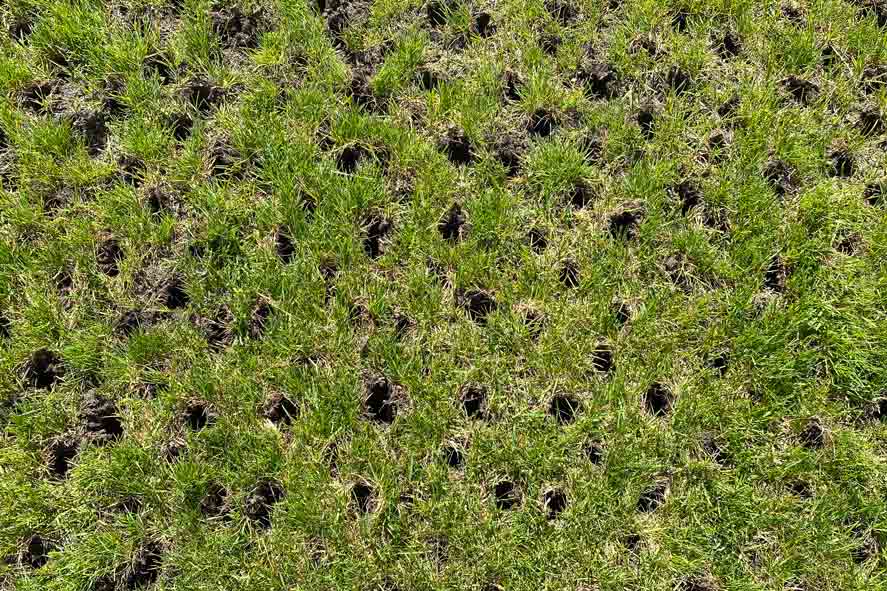
A healthy lawn depends on more than regular mowing and watering. Over time, the soil beneath your grass naturally becomes compacted from foot traffic, rainfall, lawn equipment, and everyday use. Even if you're following a consistent lawn care routine, compacted soil can prevent your grass from growing as thick, green, and resilient as it should.
Lawn aeration is one of the most effective ways to relieve soil compaction and improve overall turf health. If you're unsure whether your lawn would benefit from aeration, there are several warning signs that indicate it's time for this important service.
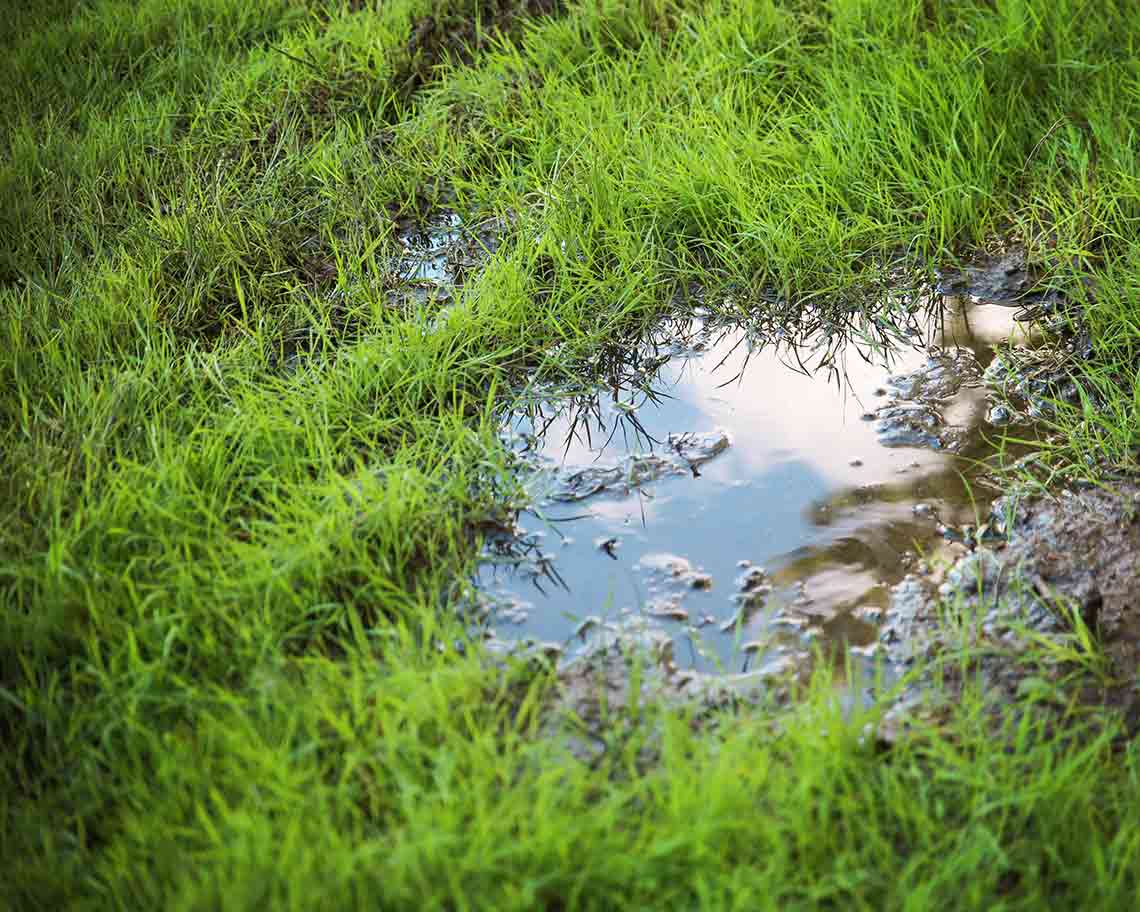
One of the clearest signs of compacted soil is standing water after rainfall or irrigation. Instead of absorbing into the ground, water collects in puddles or slowly runs off the surface. This happens because tightly packed soil leaves very little room for water to move downward. As a result, some areas of your lawn may remain overly wet while the roots beneath receive surprisingly little moisture. Persistent pooling also increases the risk of fungal diseases and encourages shallow root development.
How aeration helps:
If sections of your lawn appear patchy despite regular watering and fertilization, compacted soil could be preventing the grass from accessing the nutrients it needs. Grass growing in compacted ground often struggles to produce new shoots, leading to a thin, uneven appearance. This problem usually develops gradually, making homeowners assume the grass simply isn't growing well when the real issue lies beneath the surface.
How aeration helps:
Walking across your lawn should feel relatively soft and springy. If the ground feels unusually hard, dense, or difficult to push a screwdriver into, the soil has likely become compacted. Heavy clay soils are especially prone to this problem, but even sandy soils can become compressed over time with frequent use. Hard soil restricts root expansion and limits the movement of oxygen below the surface.
How aeration helps:
If your grass begins turning brown shortly after watering, poor soil structure may be preventing moisture from reaching the roots. Compacted soil often causes water to remain near the surface, where it quickly evaporates instead of soaking deeply into the ground. As a result, your lawn becomes more vulnerable during periods of hot weather and drought.
How aeration helps:
Lawns that experience frequent activity naturally become more compacted over time. Children playing, pets running, backyard gatherings, and regular mowing all place pressure on the soil. Areas around sidewalks, patios, gates, and play equipment are often the first to show signs of wear because they receive the most consistent traffic.
How aeration helps:
If you've invested in quality fertilizer but haven't seen much improvement, compacted soil could be limiting its effectiveness. Fertilizer can only benefit your lawn if nutrients are able to reach the root system. When soil is tightly packed, much of the fertilizer remains near the surface instead of moving into the ground where roots can absorb it.
How aeration helps:
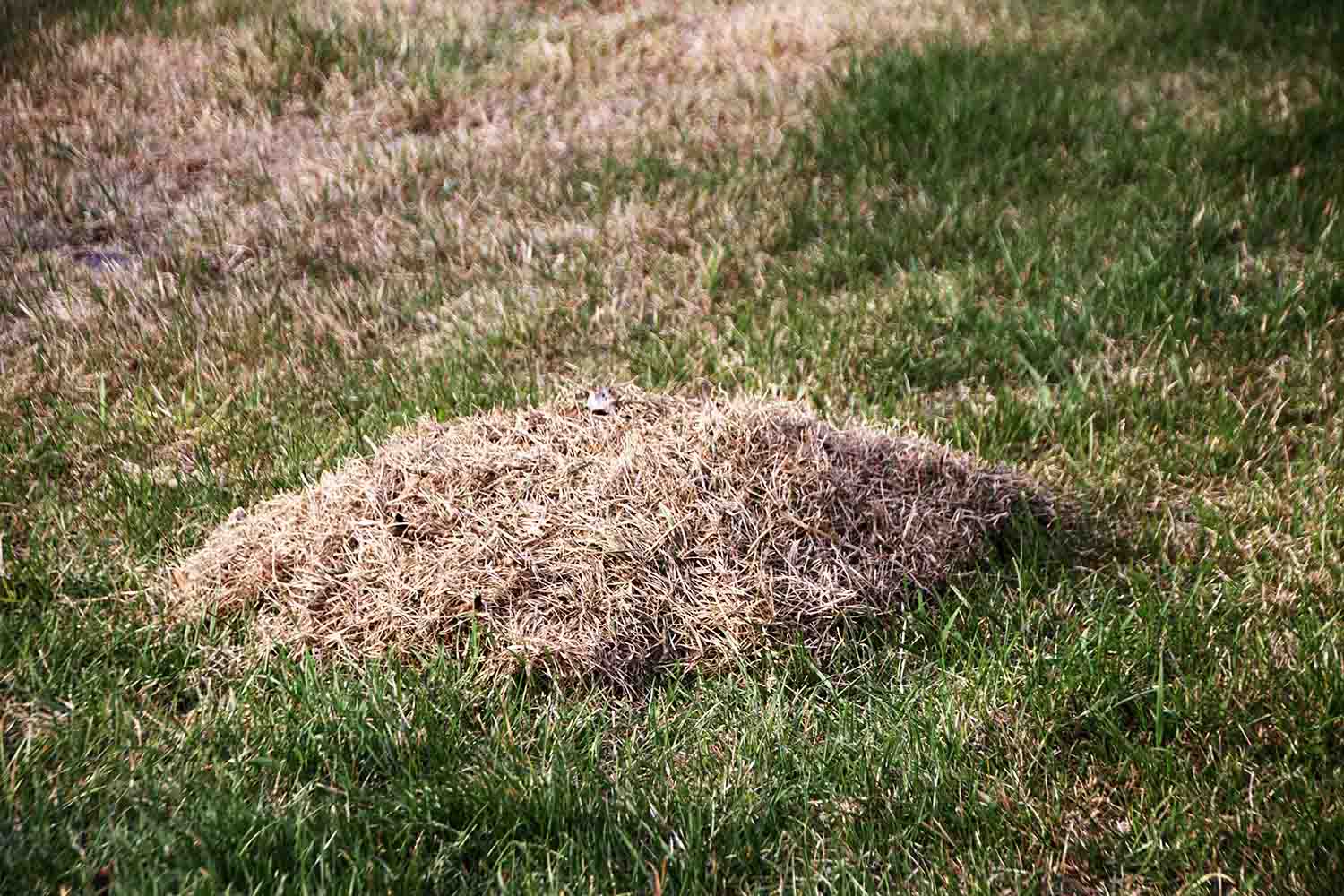
A thin layer of thatch is normal, but when dead stems, roots, and organic debris accumulate faster than they decompose, the layer becomes too thick. Excessive thatch creates a barrier that blocks water, nutrients, and oxygen from reaching the soil. It can also harbor insects and lawn diseases while making your grass more susceptible to drought stress.
Core aeration naturally helps break down moderate thatch by increasing microbial activity and improving airflow within the soil. While severe thatch buildup may require dethatching, many lawns with moderate thatch benefit significantly from annual aeration.
How aeration helps:
Healthy grass typically bounces back after heat waves, dry periods, heavy rain, or regular mowing. If your lawn remains discolored, flattened, or damaged long after stressful conditions have passed, the root system may not be strong enough to support recovery. Compacted soil limits root growth, leaving the grass with fewer resources to regenerate.
Aeration encourages roots to grow deeper and stronger, giving your lawn the foundation it needs to recover more quickly from seasonal challenges.
How aeration helps:
Q: How often should a lawn be aerated?
A: Most lawns benefit from core aeration once a year. Lawns with heavy clay soil, frequent foot traffic, or significant compaction may benefit from aeration twice annually.
Q: What time of year is best for lawn aeration?
A: The best time depends on your grass type. Cool-season grasses are typically aerated in early fall or spring, while warm-season grasses respond best to aeration in late spring or early summer during active growth.
Q: Can aeration fix bare spots in my lawn?
A: Aeration can help create the conditions necessary for bare areas to recover, especially when combined with overseeding, proper watering, and fertilization. If the bare spots are caused by disease, pests, or heavy shade, those issues should also be addressed.
Q: Is core aeration better than spike aeration?
A: Yes. Core aeration removes plugs of soil, relieving compaction without further compressing the surrounding ground. Spike aeration simply pokes holes into the soil, which can actually increase compaction around the holes over time.
Q: Should I water my lawn before or after aeration?
A: Lightly watering the lawn one or two days before aeration helps soften the soil, making it easier to remove soil plugs. Watering after aeration also helps the lawn recover and allows moisture to move deeper into the root zone.
Q: How long does it take to see results after aeration?
A: Many homeowners notice improved water absorption within days. Visible improvements in grass thickness, color, and overall vigor typically become noticeable over the following several weeks as the roots take advantage of the improved soil conditions.
Let Essential Landscapes transform your property today with the best lawn care and landscaping services in North Reading, MA!