.png)
The difference between mowing every 7 days and every 10 to 14 days can significantly impact your lawn. Between cuts, grass changes in density, health, and resilience based on how consistently it’s maintained. Below, we will explain why weekly lawn mowing is the best schedule for healthier, stronger grass that lasts throughout the growing season.

A weekly mowing schedule provides consistency, which is one of the most important factors in maintaining healthy turf. Grass responds well to small, regular trims rather than infrequent, aggressive cuts. You reduce stress on the plant and encourage more uniform growth across the entire yard by mowing your lawn and maintaining it at a proper height.
Instead of constantly recovering from being cut too short, your lawn can focus on strengthening its roots and filling in bare areas. This leads to a thicker, more durable lawn that holds up better against environmental stress and everyday wear.
Allowing your lawn to go too long between mowing sessions can create a range of issues that build on each other. When grass becomes overgrown, the next cut typically removes a large portion of the blade, which can shock the plant and slow down healthy growth.
This type of stress often shows up as discoloration, uneven patches, or thinning areas that take time to recover. At the same time, longer grass produces heavier clippings that don’t decompose as easily, leading to clumps that can block sunlight and trap moisture against the soil.
These conditions can make your lawn more vulnerable to disease and inconsistent growth. There’s also a mechanical downside, as cutting overgrown grass requires more effort, increasing wear on your mower and making each session more time-consuming.
While weekly mowing is ideal in most situations, there are a few cases where a biweekly schedule may be workable, at least temporarily. These typically depend on how quickly your grass is growing and the current condition of your lawn.
Even then, it’s important to stay flexible. Grass growth rates can change quickly, and sticking to a longer schedule when growth picks up can lead to the same issues associated with overgrown turf.
Mowing less often can appear to reduce costs, but it often leads to additional expenses. When grass is cut too infrequently, it becomes more susceptible to stress, thinning, and weed intrusion, all of which can require corrective treatments.
Lawns perform best when they’re maintained on a consistent schedule. Weekly mowing supports steady, manageable growth and reduces the likelihood of sudden stress or damage. Instead of constantly correcting problems, you’re maintaining a stable, healthy environment for your grass to thrive.
A lawn that’s cut regularly tends to stay thicker, greener, and more resilient. It also responds better to other aspects of lawn care, such as watering and fertilization, because it’s not recovering from extreme cuts.
Beyond the health benefits, a consistently maintained lawn simply looks better. It enhances the overall appearance of your property and creates a more enjoyable outdoor space.
A weekly mowing routine is most effective when paired with good mowing habits. Small adjustments in how you mow can make a noticeable difference in the health and appearance of your lawn.
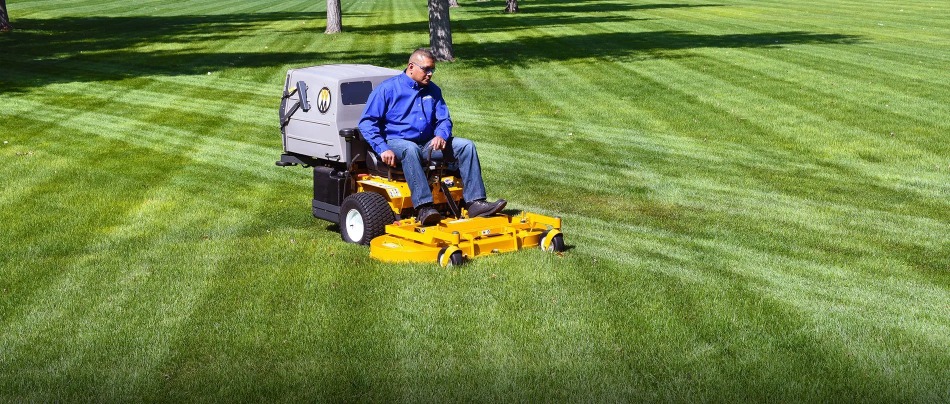
While mowing every other week might seem like a convenient option, it often creates more challenges than it solves. A weekly mowing schedule keeps your lawn in a consistent, healthy state, reducing stress and minimizing the need for corrective care.
If your goal is a lawn that looks great and stays resilient throughout the growing season, mowing more frequently is the more reliable path forward. And, of course, utilizing professional weekly lawn mowing services like ours is always the best way to keep your grass in great shape all year long!
Let Essential Landscapes transform your property today with the best lawn care and landscaping services in North Reading, MA!