.png)
Picking the right grass is one of the most important decisions you can make when establishing or improving a lawn in Massachusetts. The state's cold winters, warm summers, changing seasons, and varying amounts of sunlight create conditions that aren't ideal for every type of turfgrass.
Most Massachusetts lawns perform best with cool-season grasses that can take advantage of mild spring and fall weather. However, different grass species have their own strengths when it comes to shade, drought, traffic, appearance, and maintenance. Below are some of the best grass types to consider for a Massachusetts lawn.
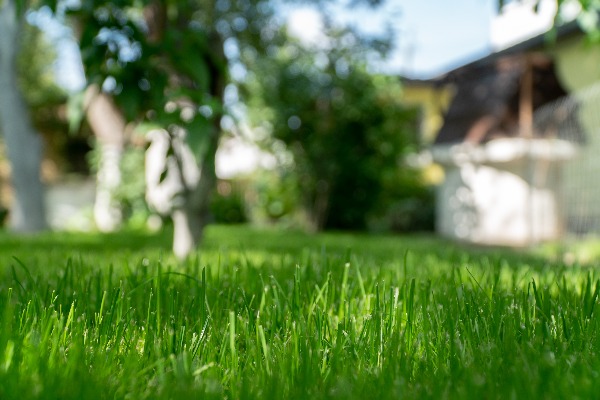
Tall fescue is a dependable option for Massachusetts homeowners who want turf that can handle a variety of conditions. Its extensive root system gives it good drought resistance, while its relatively coarse blades create a durable surface that handles everyday use.
It can also perform reasonably well in partial shade, making it useful for properties where portions of the lawn don't receive full sunlight. Tall fescue is generally a good choice for homeowners looking for resilient turf without extremely intensive maintenance.
Characteristics:
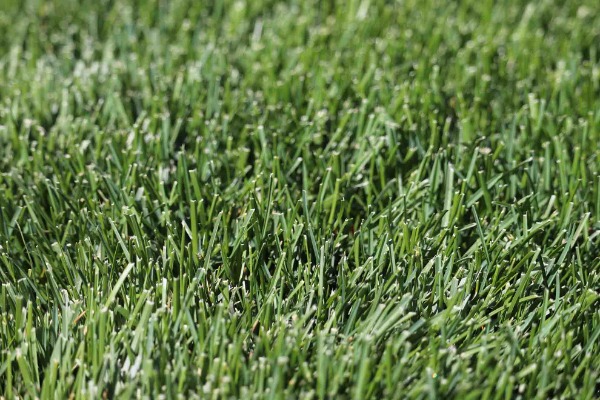
Kentucky bluegrass is a classic choice for Massachusetts lawns and is especially well suited to areas with plenty of sunlight. It produces a dense, attractive lawn with fine-to-medium blades and a recognizable blue-green color.
One of its biggest advantages is its ability to spread through underground rhizomes. This allows established Kentucky bluegrass to gradually repair small areas of damage. It does, however, require adequate moisture and regular maintenance to perform at its best.
Characteristics:
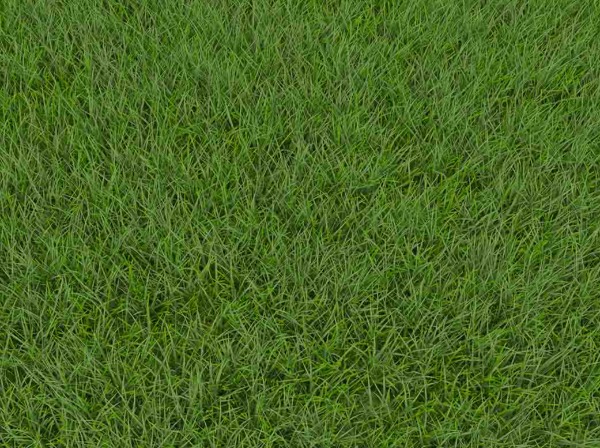
Fine fescues are particularly useful for Massachusetts properties with shaded areas or less-than-ideal soil. They have narrow blades and can create a soft, attractive lawn while requiring less fertility than some other cool-season grasses.
Fine fescue is often included in seed blends rather than planted by itself. Combining it with other grass species can create a lawn that performs better across areas with different sunlight and soil conditions.
Characteristics:
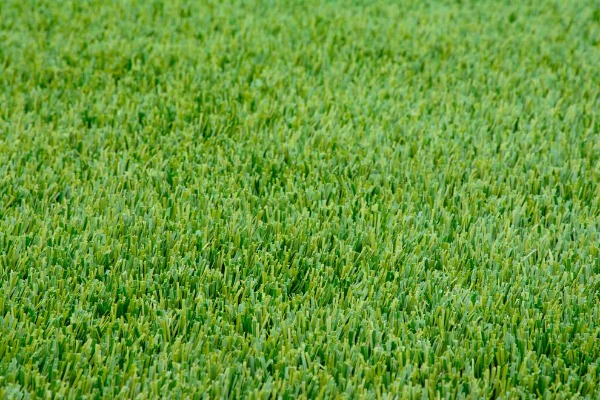
Perennial ryegrass is known for its quick germination and attractive appearance. This makes it useful when homeowners want new grass to establish relatively quickly or need to repair damaged sections of an existing lawn.
It has a fine-to-medium texture and handles foot traffic reasonably well. In Massachusetts, perennial ryegrass is frequently included in blends with other cool-season grasses because combining species can provide a broader range of strengths.
Characteristics:
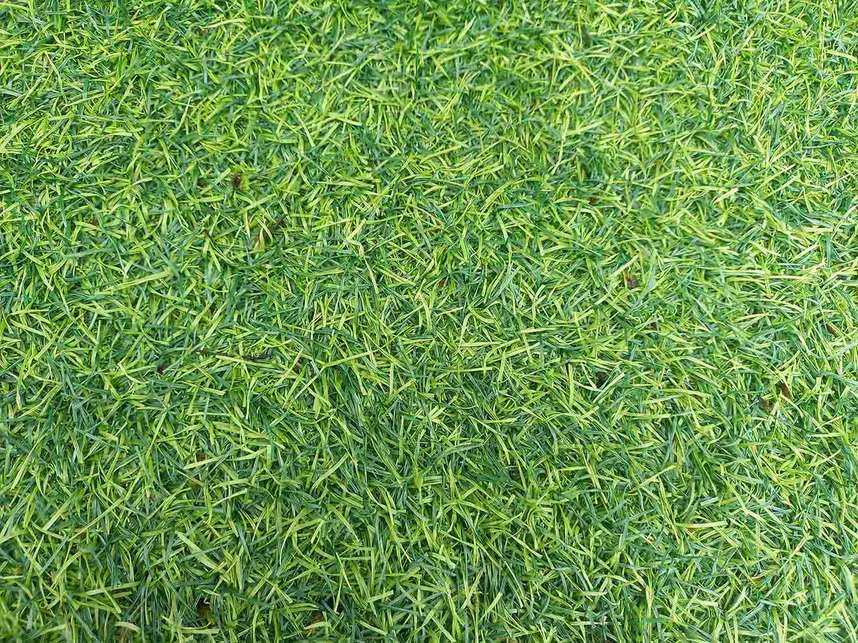
Creeping bentgrass is a cool-season species that can grow successfully in Massachusetts, although it is not usually the first choice for a typical residential lawn. Its very fine texture and dense growth make it better suited to specialized turf applications, particularly closely mowed areas.
Because it requires careful management and can be susceptible to certain turf problems, creeping bentgrass generally isn't the easiest option for homeowners seeking a low-maintenance lawn.
Characteristics:
Massachusetts lawns don't always need to rely on a single grass species. Seed blends can combine the strengths of multiple cool-season grasses, creating turf that is better suited to the different conditions found across a property.
For example, a blend containing Kentucky bluegrass, tall fescue, and fine fescue can provide a balance of durability, appearance, shade tolerance, and cold-weather performance.
When choosing a seed mix, consider the specific conditions in your yard rather than simply selecting the grass with the most appealing description.
Consider factors such as:
There isn't one grass type that is perfect for every Massachusetts property. A sunny lawn with heavy foot traffic may need a different combination of grasses than a shaded yard with poor soil.
Before planting or overseeding, take a close look at your lawn's growing conditions. A soil test can also provide useful information about nutrient levels and soil characteristics.
Choosing turf that naturally matches your property can make lawn maintenance easier and give you a better chance of maintaining thick, healthy grass throughout the growing season.
Q: What is the best grass for Massachusetts lawns?
A: Tall fescue, Kentucky bluegrass, fine fescue, and perennial ryegrass are among the most useful cool-season grasses for Massachusetts. The best choice depends on your property's sunlight, soil, traffic, and maintenance needs.
Q: What grass grows best in Massachusetts shade?
A: Fine fescues are among the better choices for shaded Massachusetts lawns. Tall fescue can also perform well in partial shade.
Q: Is Kentucky bluegrass good for Massachusetts?
A: Yes. Kentucky bluegrass is well adapted to Massachusetts' cool climate and can create dense, attractive turf when provided with adequate sunlight, moisture, and maintenance.
Q: What grass is most drought tolerant for Massachusetts?
A: Tall fescue is generally one of the better choices when drought tolerance is a priority because of its deep root system. Even drought-tolerant turf still benefits from proper watering during extended dry periods.
Q: Should I use one type of grass or a seed blend?
A: A blend can be a good option because different species provide different strengths. Combining grasses can improve performance across areas with varying sunlight, soil, and traffic conditions.
Q: When is the best time to plant grass in Massachusetts?
A: Late summer to early fall is generally an excellent period for establishing cool-season grass in Massachusetts. Cooler temperatures and more favorable moisture conditions can help new seedlings establish before winter.
Let Essential Landscapes transform your property today with the best lawn care and landscaping services in North Reading, MA!